Fast Fashion's Impact: 92 Million Tons of Waste
- Travis Immich
- 6 hours ago
- 4 min read

The fashion industry is one of the most polluting sectors in the world, with fast fashion at the forefront of this environmental crisis. Each year, approximately 92 million tons of waste are generated by the fashion industry, a staggering figure that highlights the urgent need for change. This blog post will explore the impact of fast fashion on our planet, the reasons behind its wastefulness, and what we can do to mitigate its effects.
Understanding Fast Fashion
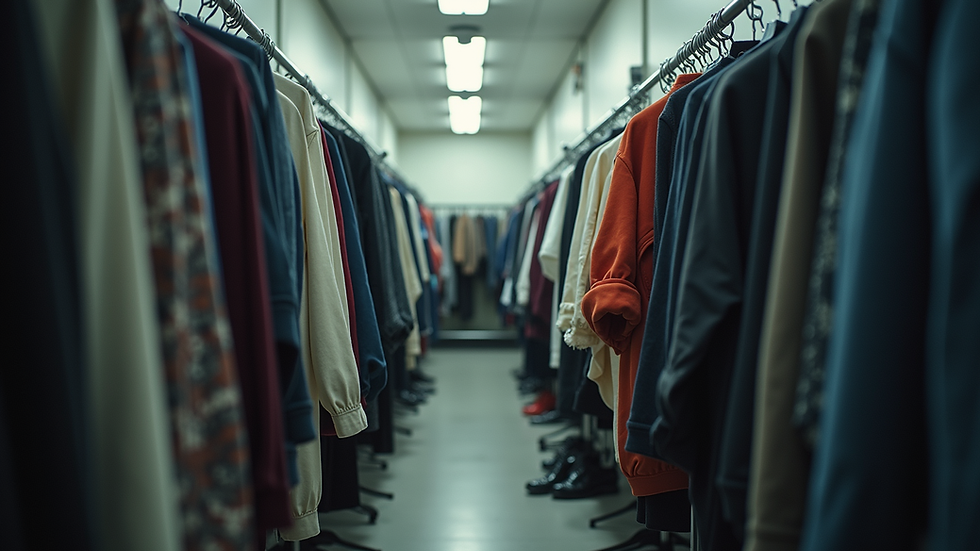
Fast fashion refers to the rapid production of inexpensive clothing, designed to capture current fashion trends. Retailers like Zara, H&M, and Forever 21 have popularized this model, allowing consumers to purchase trendy items at low prices. However, this convenience comes at a significant cost to the environment.
The Lifecycle of Fast Fashion
Production: Fast fashion brands often outsource their production to countries with lower labor costs. This leads to poor working conditions and environmental degradation.
Consumption: With the constant influx of new styles, consumers are encouraged to buy more clothes than they need, often wearing items only a few times before discarding them.
Disposal: The majority of fast fashion garments end up in landfills. In fact, it is estimated that 85% of textiles are thrown away each year, contributing to the 92 million tons of waste.
The Environmental Impact of Fast Fashion
The environmental consequences of fast fashion are profound and multifaceted. Here are some key areas of concern:
Water Usage
The fashion industry is a major consumer of water. It takes about 2,700 liters of water to produce a single cotton t-shirt, enough for one person to drink for two and a half years. This excessive water usage contributes to water scarcity in many regions, particularly in developing countries where cotton is often grown.
Chemical Pollution
The production of textiles involves the use of harmful chemicals, including dyes and finishing agents. These substances can contaminate local water supplies, harming aquatic life and communities. For example, the dyeing process can release toxic chemicals into rivers, leading to severe environmental and health issues.
Carbon Emissions
The fast fashion industry is responsible for approximately 10% of global carbon emissions. This is largely due to the energy-intensive processes involved in manufacturing, transportation, and disposal of clothing. As the demand for fast fashion continues to rise, so too do the emissions associated with it.
The Social Impact of Fast Fashion
Beyond environmental concerns, fast fashion also has significant social implications. The industry often relies on exploitative labor practices, particularly in developing countries.
Labor Conditions
Many fast fashion brands outsource their production to factories where workers face long hours, low wages, and unsafe working conditions. The tragic collapse of the Rana Plaza building in Bangladesh in 2013, which killed over 1,100 garment workers, is a stark reminder of the dangers faced by those in the industry.
Consumer Culture
Fast fashion promotes a culture of disposability, where clothing is seen as a temporary commodity rather than a long-term investment. This mindset not only contributes to waste but also diminishes the value of craftsmanship and ethical production.
Alternatives to Fast Fashion
As awareness of the negative impacts of fast fashion grows, many consumers are seeking alternatives. Here are some options to consider:
Sustainable Fashion Brands
Many brands are now prioritizing sustainability by using eco-friendly materials, ethical labor practices, and transparent supply chains. Some notable examples include:
Patagonia: Known for its commitment to environmental responsibility and ethical production.
Everlane: Focuses on transparency in pricing and sourcing.
Reformation: Uses sustainable materials and practices to create stylish clothing.
Thrifting and Second-Hand Shopping
Thrifting is a great way to reduce waste while still enjoying fashion. By purchasing second-hand clothing, consumers can extend the lifecycle of garments and reduce the demand for new production. Online platforms like Poshmark and Depop have made it easier than ever to find unique second-hand pieces.
Capsule Wardrobes
Creating a capsule wardrobe involves curating a small collection of versatile clothing items that can be mixed and matched. This approach encourages mindful consumption and helps reduce the impulse to buy new clothes frequently.
The Role of Consumers
Consumers play a crucial role in combating the negative impacts of fast fashion. Here are some ways to make a difference:
Educate Yourself
Understanding the implications of fast fashion is the first step toward making informed choices. Research brands, their practices, and the materials they use. Knowledge empowers consumers to make ethical decisions.
Buy Less, Choose Wisely
Before making a purchase, consider whether you truly need the item. Aim to invest in high-quality pieces that will last longer, rather than succumbing to trends that may quickly fade.
Support Ethical Brands
Whenever possible, choose to support brands that prioritize sustainability and ethical practices. Your purchasing power can drive change in the industry.
Conclusion
Fast fashion's impact on the environment and society is profound, with 92 million tons of waste generated each year. By understanding the consequences of our consumption habits and making conscious choices, we can help mitigate this crisis. Embracing sustainable fashion, supporting ethical brands, and reducing waste are all steps we can take to create a more responsible fashion industry.
As consumers, we have the power to influence change. Let’s use it wisely.

Comments