Reduce Clothing Overconsumption: Join Our Pledge Today
- Travis Immich
- 6 hours ago
- 4 min read

The fashion industry is one of the largest contributors to environmental degradation. With the rise of fast fashion, clothing overconsumption has reached alarming levels. Every year, millions of tons of clothing end up in landfills, and the production processes consume vast amounts of water and energy. It’s time to take a stand and make a change. By joining our pledge to reduce clothing overconsumption, you can contribute to a more sustainable future.
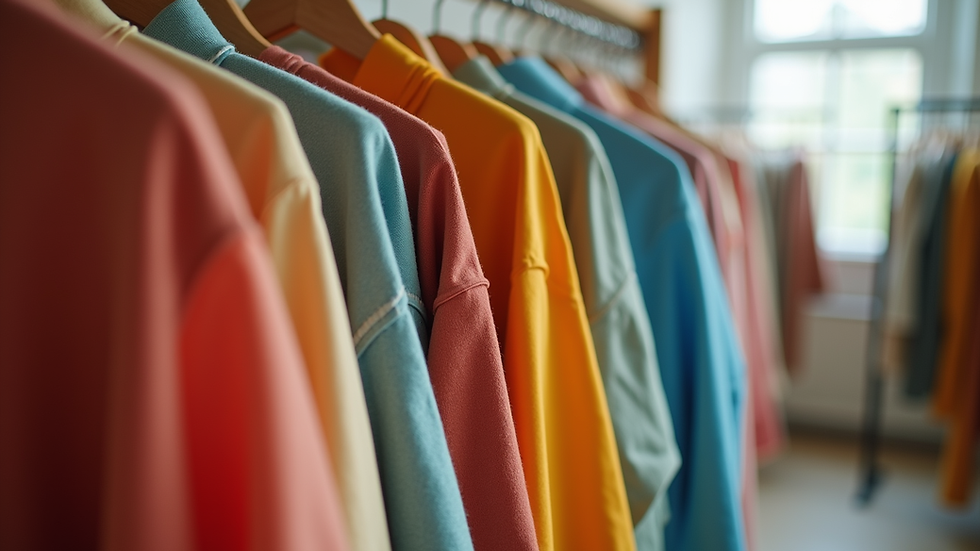
Understanding Clothing Overconsumption
What is Clothing Overconsumption?
Clothing overconsumption refers to the excessive buying and discarding of clothes, often driven by trends and the allure of fast fashion. This behavior not only impacts the environment but also affects our wallets and mental well-being.
The Environmental Impact
The environmental consequences of clothing overconsumption are staggering:
Waste Generation: The average American throws away about 81 pounds of clothing each year. This contributes to the 92 million tons of textile waste generated globally.
Water Usage: It takes approximately 2,700 liters of water to produce a single cotton t-shirt. This is enough water for one person to drink for two and a half years.
Carbon Emissions: The fashion industry is responsible for about 10% of global carbon emissions, more than international flights and maritime shipping combined.
The Social Impact
Beyond environmental concerns, clothing overconsumption has social implications as well:
Labor Exploitation: Many fast fashion brands rely on cheap labor in developing countries, where workers often face poor working conditions and low wages.
Consumerism Culture: The constant cycle of buying and discarding clothing fosters a culture of consumerism, leading to dissatisfaction and a lack of appreciation for what we own.
The Benefits of Reducing Clothing Overconsumption
Environmental Benefits
By reducing clothing overconsumption, we can significantly lessen our environmental footprint:
Less Waste: Reducing the amount of clothing we buy means less waste in landfills.
Conservation of Resources: Buying less helps conserve water, energy, and raw materials used in clothing production.
Lower Carbon Footprint: A decrease in clothing production leads to reduced carbon emissions.
Economic Benefits
Reducing clothing overconsumption can also be beneficial for your finances:
Savings: By buying fewer clothes, you can save money that can be used for other important expenses or experiences.
Quality Over Quantity: Investing in high-quality, sustainable clothing can lead to longer-lasting garments, reducing the need for frequent replacements.
Personal Benefits
On a personal level, reducing clothing overconsumption can lead to a more fulfilling lifestyle:
Mindful Consumption: Being intentional about your clothing choices can lead to a greater appreciation for what you own.
Less Clutter: A simplified wardrobe can reduce decision fatigue and make getting dressed easier and more enjoyable.
How to Reduce Clothing Overconsumption
Join Our Pledge
We invite you to join our pledge to reduce clothing overconsumption. Here’s how you can participate:
Commit to Buying Less: Set a limit on how many new items you will purchase each month.
Choose Quality Over Quantity: Invest in sustainable brands that prioritize ethical production practices.
Practice Mindful Shopping: Before making a purchase, ask yourself if you truly need the item and how often you will wear it.
Embrace Sustainable Fashion
Sustainable fashion is a powerful way to combat clothing overconsumption. Here are some ways to embrace it:
Thrift Shopping: Explore thrift stores and second-hand shops for unique finds that reduce demand for new clothing.
Clothing Swaps: Organize or participate in clothing swaps with friends or community members to refresh your wardrobe without buying new items.
DIY and Upcycling: Get creative by repurposing old clothing into new items or repairing damaged garments instead of discarding them.
Educate Yourself and Others
Knowledge is power. Educate yourself about the impacts of fast fashion and share this information with friends and family. Consider the following:
Follow Sustainable Brands: Stay informed about brands that prioritize sustainability and ethical practices.
Attend Workshops: Participate in workshops or webinars focused on sustainable fashion and responsible consumption.
The Role of Brands in Reducing Overconsumption
Ethical Production Practices
Brands play a crucial role in reducing clothing overconsumption. They can adopt ethical production practices that prioritize sustainability:
Transparency: Brands should be transparent about their supply chains and production processes, allowing consumers to make informed choices.
Sustainable Materials: Using eco-friendly materials can significantly reduce the environmental impact of clothing production.
Fair Labor Practices: Ensuring fair wages and safe working conditions for workers is essential for ethical fashion.
Encouraging Responsible Consumer Behavior
Brands can also encourage responsible consumer behavior through:
Take-Back Programs: Implementing take-back programs allows consumers to return old clothing for recycling or repurposing.
Educational Campaigns: Brands can run campaigns to educate consumers about the impacts of overconsumption and the benefits of sustainable practices.
Conclusion
Reducing clothing overconsumption is a collective effort that requires participation from consumers and brands alike. By joining our pledge, you can take meaningful steps towards a more sustainable future. Remember, every small action counts. Together, we can create a world where fashion is not only stylish but also responsible.
Take the first step today by committing to mindful consumption and embracing sustainable fashion practices. Let’s work together to reduce clothing overconsumption and make a positive impact on our planet.

Comments