Sustainable Fashion: How to Wear It Forward
- Travis Immich
- 6 hours ago
- 4 min read

Fashion is often seen as a fleeting trend, but what if we could change that narrative? Sustainable fashion is not just a buzzword; it’s a movement that encourages us to rethink our clothing choices and their impact on the planet. As consumers become more aware of the environmental and social implications of their purchases, the demand for sustainable practices in the fashion industry is growing. This blog post will explore what sustainable fashion means, why it matters, and how you can incorporate it into your wardrobe.
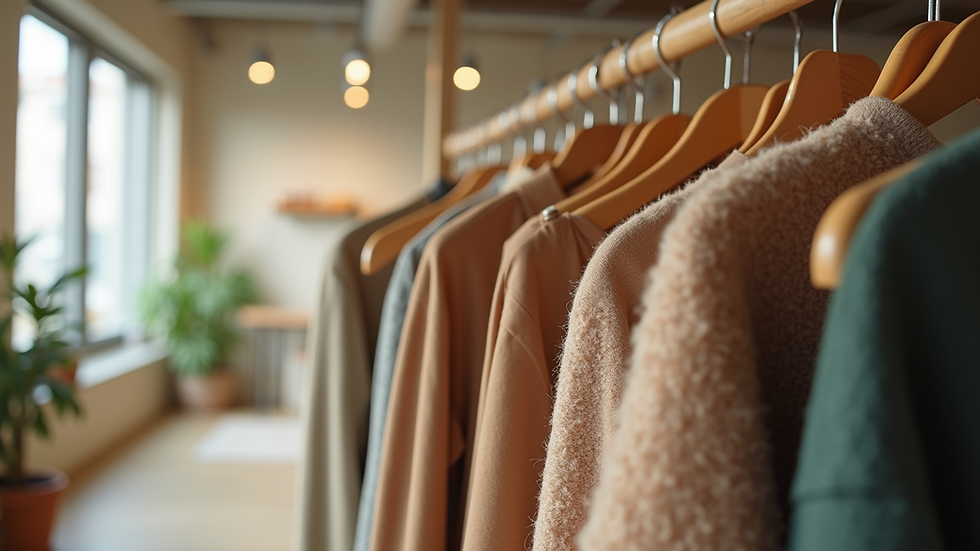
Understanding Sustainable Fashion
Sustainable fashion refers to clothing, shoes, and accessories that are produced in an environmentally friendly manner. This includes using sustainable materials, ethical labor practices, and reducing waste throughout the production process. Here are some key components of sustainable fashion:
Eco-Friendly Materials
The materials used in clothing production play a significant role in sustainability. Traditional fabrics like cotton and polyester can have detrimental effects on the environment. Sustainable alternatives include:
Organic Cotton: Grown without harmful pesticides and fertilizers, organic cotton is better for the environment and the farmers who grow it.
Tencel: Made from sustainably sourced wood pulp, Tencel is biodegradable and produced in a closed-loop process that recycles water and solvents.
Recycled Fabrics: Using recycled materials, such as plastic bottles or old garments, reduces waste and the need for new resources.
Ethical Labor Practices
Sustainable fashion also emphasizes fair labor practices. This means ensuring that workers are paid fair wages, work in safe conditions, and are treated with respect. Brands that prioritize ethical labor often provide transparency about their supply chains, allowing consumers to make informed choices.
Waste Reduction
The fashion industry is notorious for its waste. From overproduction to discarded clothing, the environmental impact is significant. Sustainable fashion aims to reduce waste through:
Upcycling: Transforming old garments into new pieces, giving them a second life.
Minimalism: Encouraging consumers to buy less and choose quality over quantity.
Circular Fashion: Designing products with their end-of-life in mind, allowing for recycling or composting.
Why Sustainable Fashion Matters
The impact of the fashion industry on the environment is staggering. According to the United Nations, the fashion industry is responsible for 10% of global carbon emissions and is the second-largest consumer of the world’s water supply. Here’s why sustainable fashion is crucial:
Environmental Impact
By choosing sustainable fashion, you contribute to reducing pollution, conserving water, and minimizing waste. Sustainable practices help protect ecosystems and reduce the carbon footprint associated with clothing production.
Social Responsibility
Sustainable fashion promotes fair labor practices, ensuring that workers are treated ethically. By supporting brands that prioritize ethical practices, you help create a more equitable fashion industry.
Personal Empowerment
Making sustainable choices empowers consumers. When you choose to buy from sustainable brands, you send a message that you care about the environment and social justice. Your purchasing power can drive change in the industry.
How to Incorporate Sustainable Fashion into Your Wardrobe
Transitioning to a sustainable wardrobe doesn’t have to be overwhelming. Here are practical steps you can take to embrace sustainable fashion:
1. Assess Your Current Wardrobe
Start by evaluating what you already own. Identify items you wear frequently and those you rarely touch. This will help you understand your style and what you truly need.
2. Choose Quality Over Quantity
Invest in high-quality pieces that will last longer. Look for well-made garments with durable fabrics. This not only reduces waste but also saves you money in the long run.
3. Shop Sustainably
When it’s time to shop, consider the following:
Thrift Stores: Shopping second-hand is a great way to find unique pieces while reducing waste.
Sustainable Brands: Research brands that prioritize sustainability and ethical practices. Look for certifications like Fair Trade or GOTS (Global Organic Textile Standard).
Local Artisans: Support local designers and artisans who create sustainable fashion.
4. Embrace Upcycling
Get creative with your clothing. Upcycling allows you to transform old garments into something new. For example, you can turn an oversized shirt into a stylish crop top or repurpose jeans into a tote bag.
5. Care for Your Clothes
Proper care can extend the life of your garments. Follow washing instructions, avoid excessive drying, and repair items instead of discarding them. This not only saves money but also reduces waste.
6. Educate Yourself and Others
Stay informed about sustainable fashion trends and practices. Share your knowledge with friends and family to inspire them to make sustainable choices as well.
The Future of Sustainable Fashion
The future of fashion is undoubtedly leaning towards sustainability. As consumers demand more transparency and ethical practices, brands are responding by adopting sustainable methods. Here are some trends to watch:
Technological Innovations
Advancements in technology are paving the way for sustainable fashion. Innovations like 3D printing and digital fashion design can reduce waste and energy consumption in the production process.
Rental and Subscription Services
The rise of rental and subscription services allows consumers to enjoy a variety of styles without the commitment of ownership. This model promotes a circular economy and reduces the demand for fast fashion.
Increased Awareness
As awareness of environmental issues grows, more consumers are prioritizing sustainability in their purchasing decisions. This shift is encouraging brands to adopt sustainable practices to meet consumer demand.
Conclusion
Sustainable fashion is more than just a trend; it’s a necessary shift towards a more responsible and ethical industry. By making conscious choices in your wardrobe, you can contribute to a healthier planet and support fair labor practices. Remember, every small step counts. Whether you choose to shop sustainably, upcycle your clothes, or educate others, you are playing a part in wearing it forward.
Now is the time to embrace sustainable fashion and make a positive impact on the world. Start today by assessing your wardrobe and making informed choices that reflect your values. Together, we can create a more sustainable future for fashion.
Comments